
13 hr
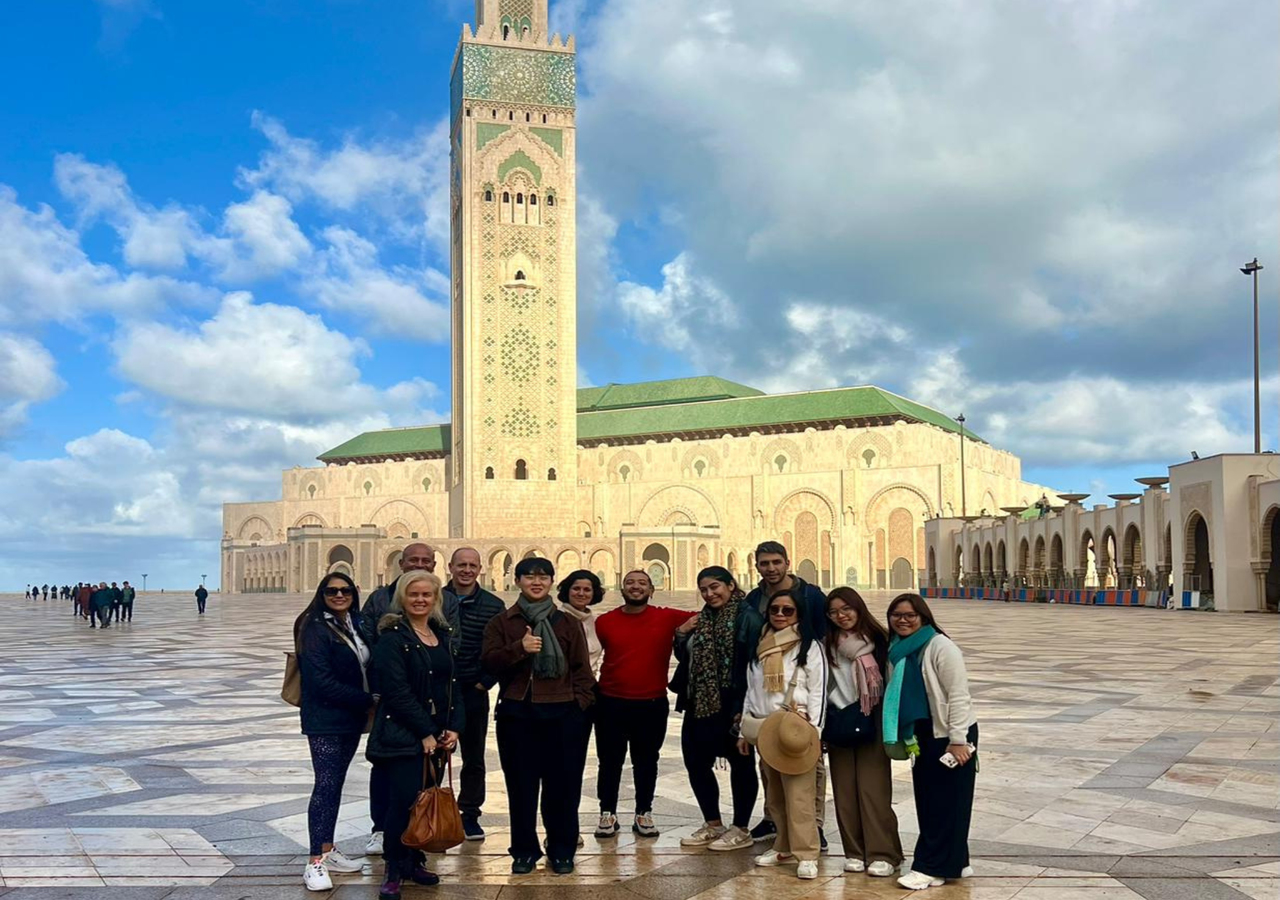
Full-Day Casablanca Cultural Tour from Marrakech
- Expert local guide
- Small group
- Skip-the-line access
- Free cancellation
Casablanca To Marrakech — A7 Transfers, Day Trips & Guided Routes
Atlantic mist at dawn, red walls by noon.
Compare fares, pick the fit — all bookings are mobile-voucher and eligible for free cancellation where shown.
13 hr
12 hr
10 hr
Most travelers doing casablanca to marrakech independently choose the A7 highway for the freedom to stop, while the ONCF train wins on stress-free arrival — a self-driven Casablanca Marrakech road trip suits explorers, the rail line suits everyone else.
|
Top pick Casablanca to Marrakech (A7 Drive) |
ONCF Train (Casa Voyageurs–Marrakech) | |
|---|---|---|
| Typical duration | 3.5–4 hours driving | 2h39m–3 hours |
| Cost per person | Fuel + tolls, shared cost | 49–200 MAD per seat |
| Flexibility to stop en route | Full control, any stop | None, fixed route only |
| Comfort and traffic exposure | Exposed to highway traffic | Air-conditioned, no driving fatigue |
| Arrival point in Marrakech | Anywhere by car | Marrakech station, Guéliz district |
| Best for | Independent stops, groups with luggage | Solo travelers, hassle-free arrival |
| See tickets & prices |
Verdict: Drive the A7 if stopping at towns or landmarks along the way matters more than speed; take the ONCF train if a fast, relaxed, traffic-free arrival in Marrakech is the priority.
Hand-picked experiences loved by thousands of travelers
3 hours
Free Cancellation
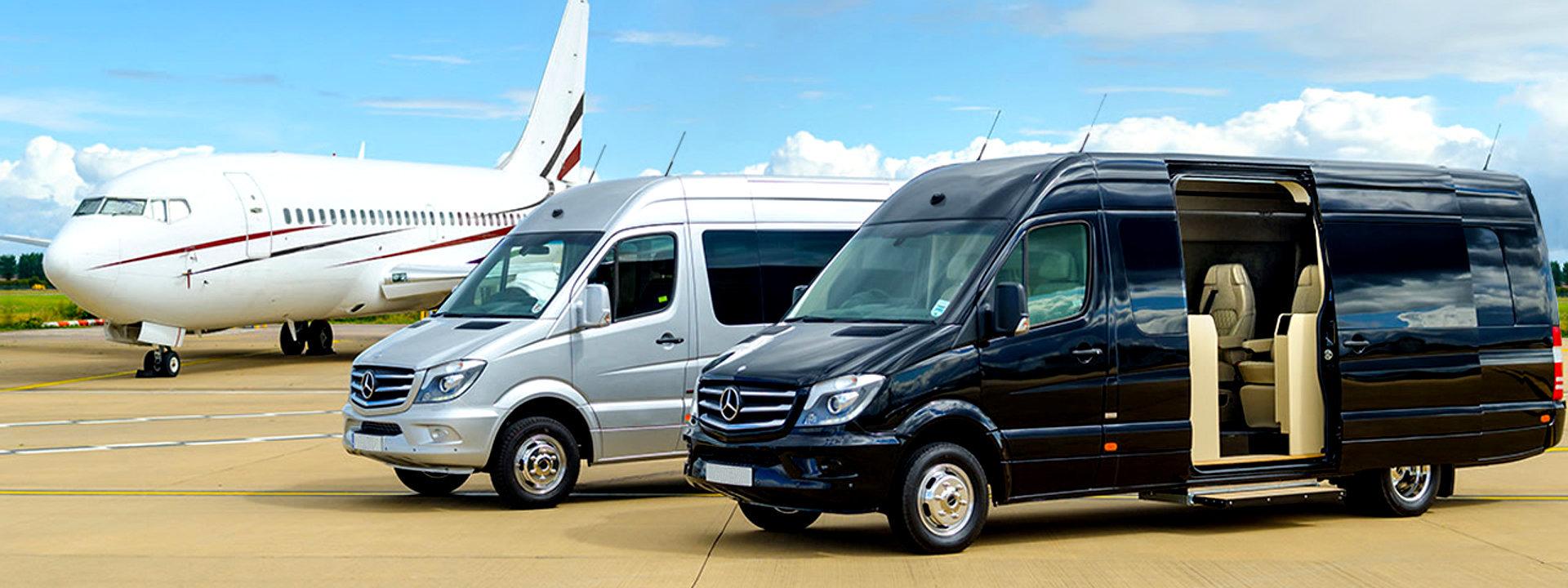
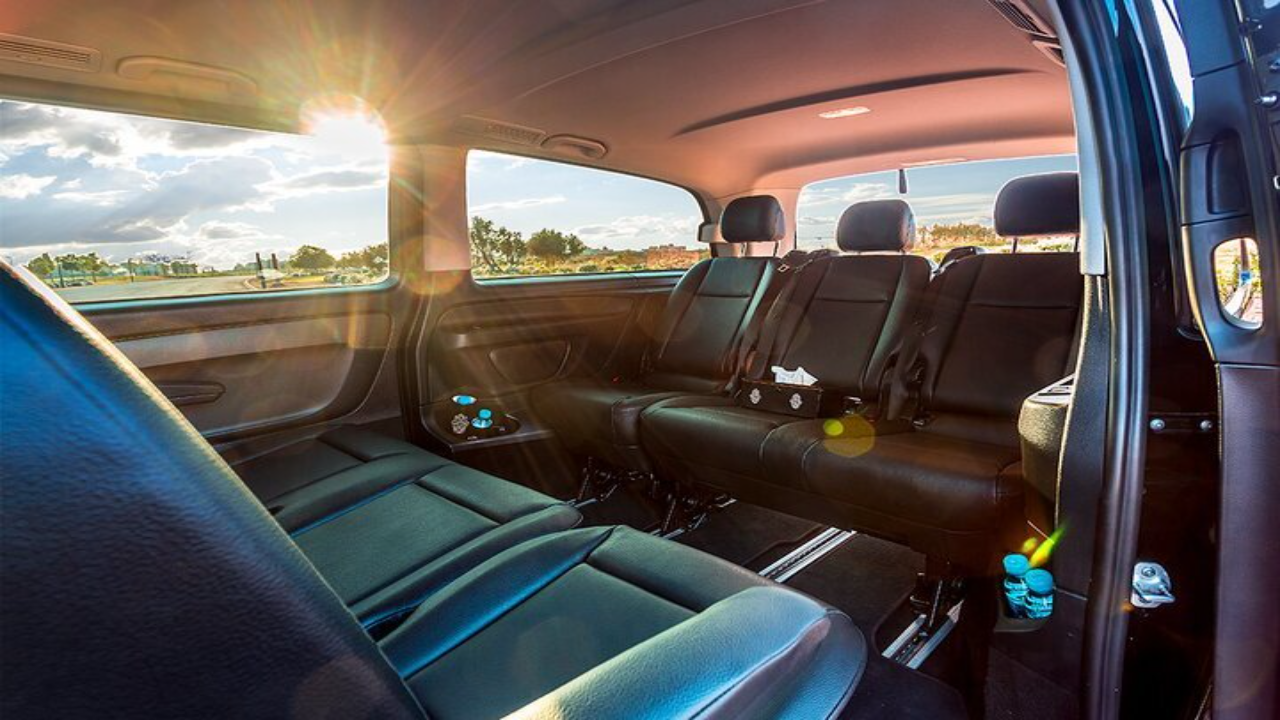
Travel between Morocco's iconic cities with a reliable, air-conditioned minivan transfer service.
3 hours
Free Cancellation
Travel comfortably between Marrakech and Casablanca with a stress-free, private chauffeured transfer featuring onboard Wi-Fi.
11 hours
Free Cancellation
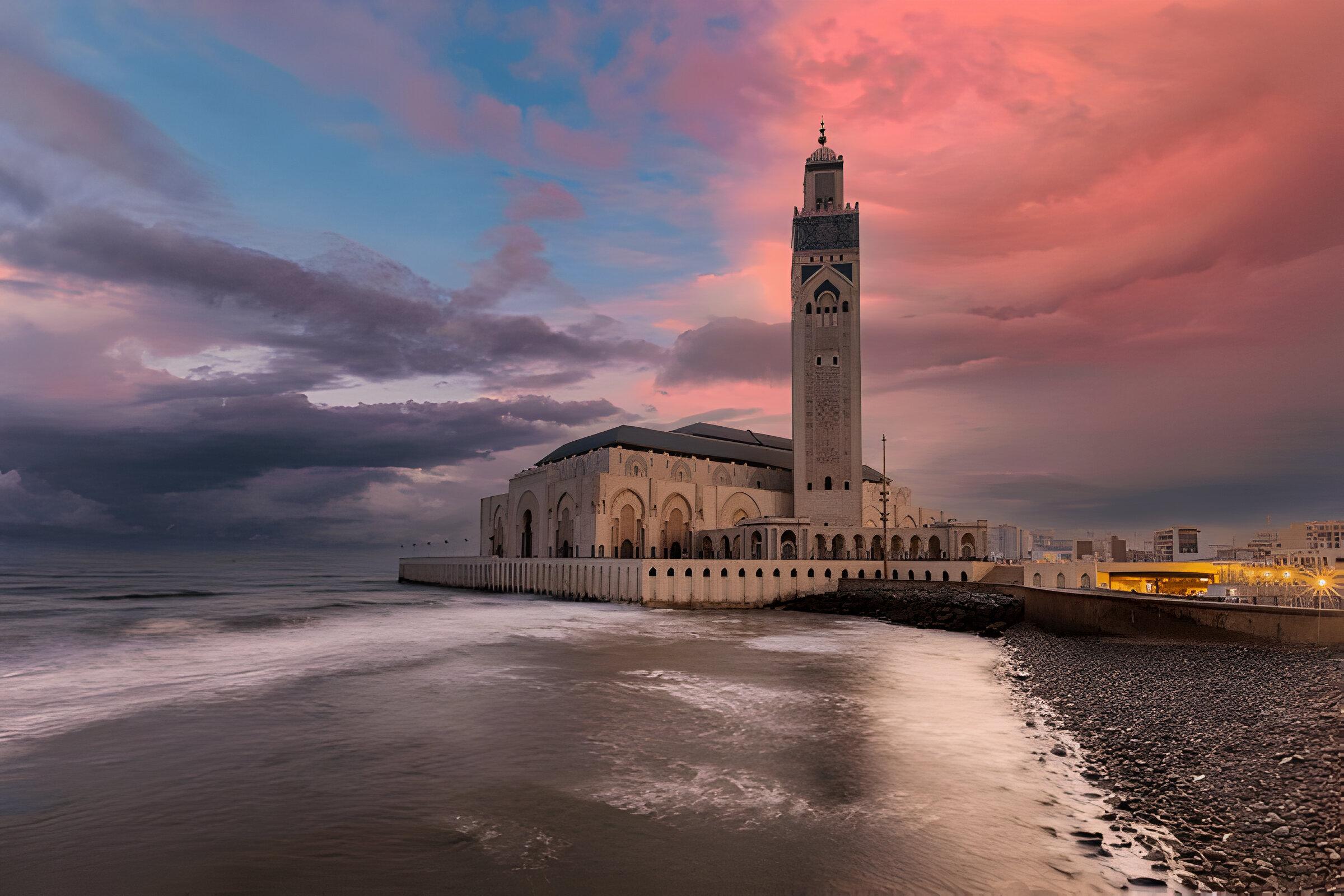
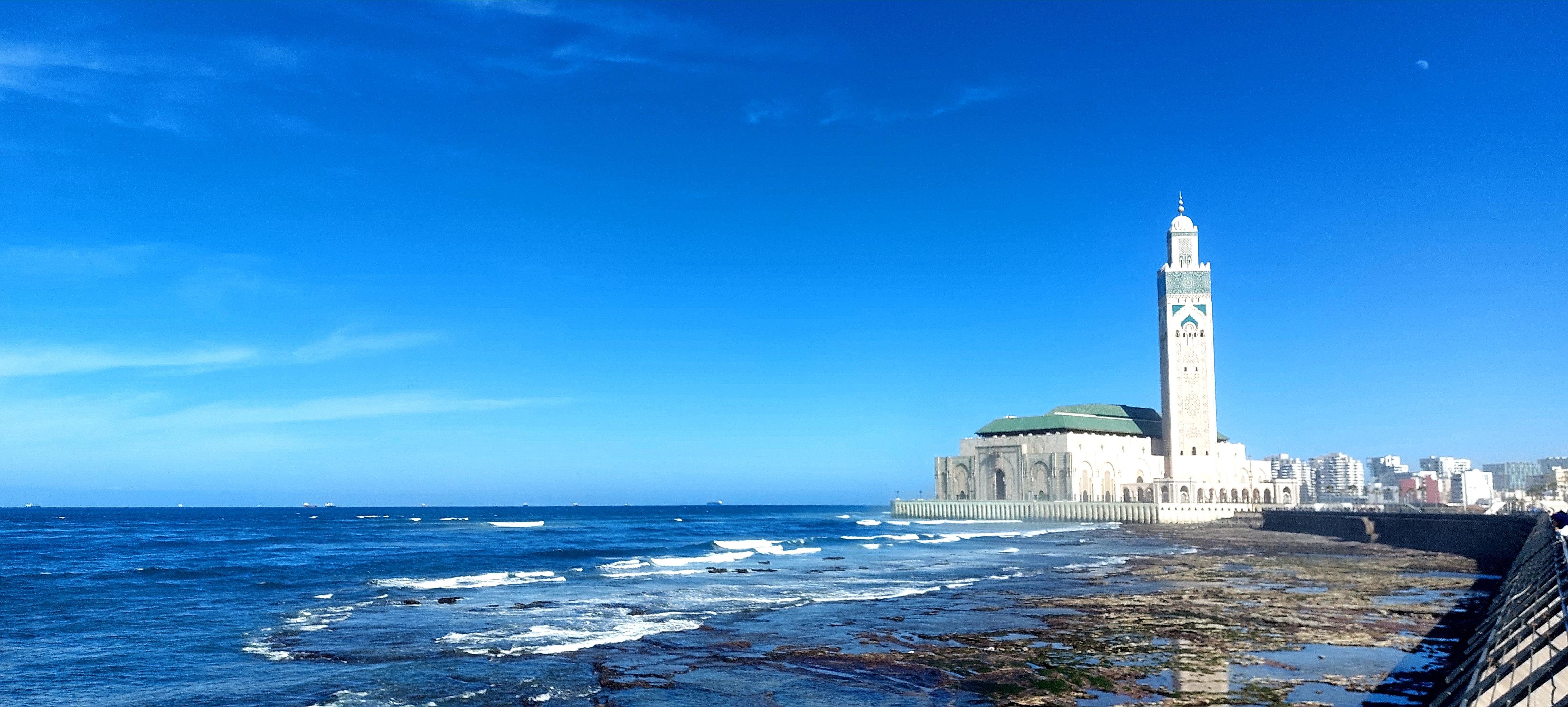
Discover Casablanca's coastal beauty and grand mosques on this full-day private excursion from Marrakech.
Exit the city via the A7 interchange near the southern Casablanca bypass, heading toward Settat
Continue south past Settat, the approximate midpoint town on the Casablanca to Marrakech route
Optional fuel, restroom, and snack break at a service station along the A7
Final stretch of the A7 toward the Marrakech bypass and city entrance
Exit the A7 at the Marrakech interchange and continue to the city center or medina
Roughly the midpoint of the roughly 240 km Casablanca to Marrakech drive, Settat marks the transition from coastal plains to the more arid Chaouia region. Several fuel and rest stops cluster around this stretch of the A7.
Located along the final approach to Marrakech, this toll plaza is one of several on the A7 where tolls of roughly 70-95 MAD are collected from passenger vehicles. It sits near agricultural land dotted with phosphate-industry infrastructure.
This interchange marks the point where the A7 motorway meets Marrakech's outer ring road, funneling highway traffic toward the city's Gueliz district and historic medina. It handles a significant share of the roughly 240 km route's total daily vehicle volume.
The starting point of the route on the southern edge of Casablanca, this interchange connects the city's urban road network to the A7 motorway heading toward Settat and onward to Marrakech.
A long, flat agricultural stretch of the route between Settat and Ben Guerir, characterized by wheat fields and open horizon views typical of Morocco's Chaouia region. This section sees the least highway congestion of the entire drive.
You leave Casablanca between 07:00 and 09:00, when the coastal air is still cool and the ring road has not yet filled. The Hassan II minaret sits behind you in the mirror for the first few kilometres, then the city thins into industrial edge and the A7 opens ahead. For the first hour you watch the Chaouia plain go by — wheat stubble in July, the colour of pale straw, cut by irrigation lines and the occasional stand of eucalyptus planted as windbreak. Settat passes to your left. Around Benguerir the land flattens further and the phosphate country begins; you see the long conveyor structures and the ochre spoil heaps. Somewhere past the halfway mark the light changes. The soil turns rust-coloured, the first argan trees appear, and the horizon starts holding a grey ridge that resolves, on clear days, into the snow-streaked High Atlas. You approach Marrakech from the north. The palm groves of the Palmeraie thicken on both sides, then the ramparts appear — earth-red, low, running for kilometres. Traffic slows at the gates. You pass under an arch, and the register shifts entirely: mopeds, calèches, the smell of orange blossom and charcoal. A casablanca to marrakech tour typically sets you down near the Koutoubia. You stand at its base, count the 77 metres upward, and turn toward Jemaa el-Fnaa, where the square is only beginning to wake.
All the details about your upcoming adventure in one place
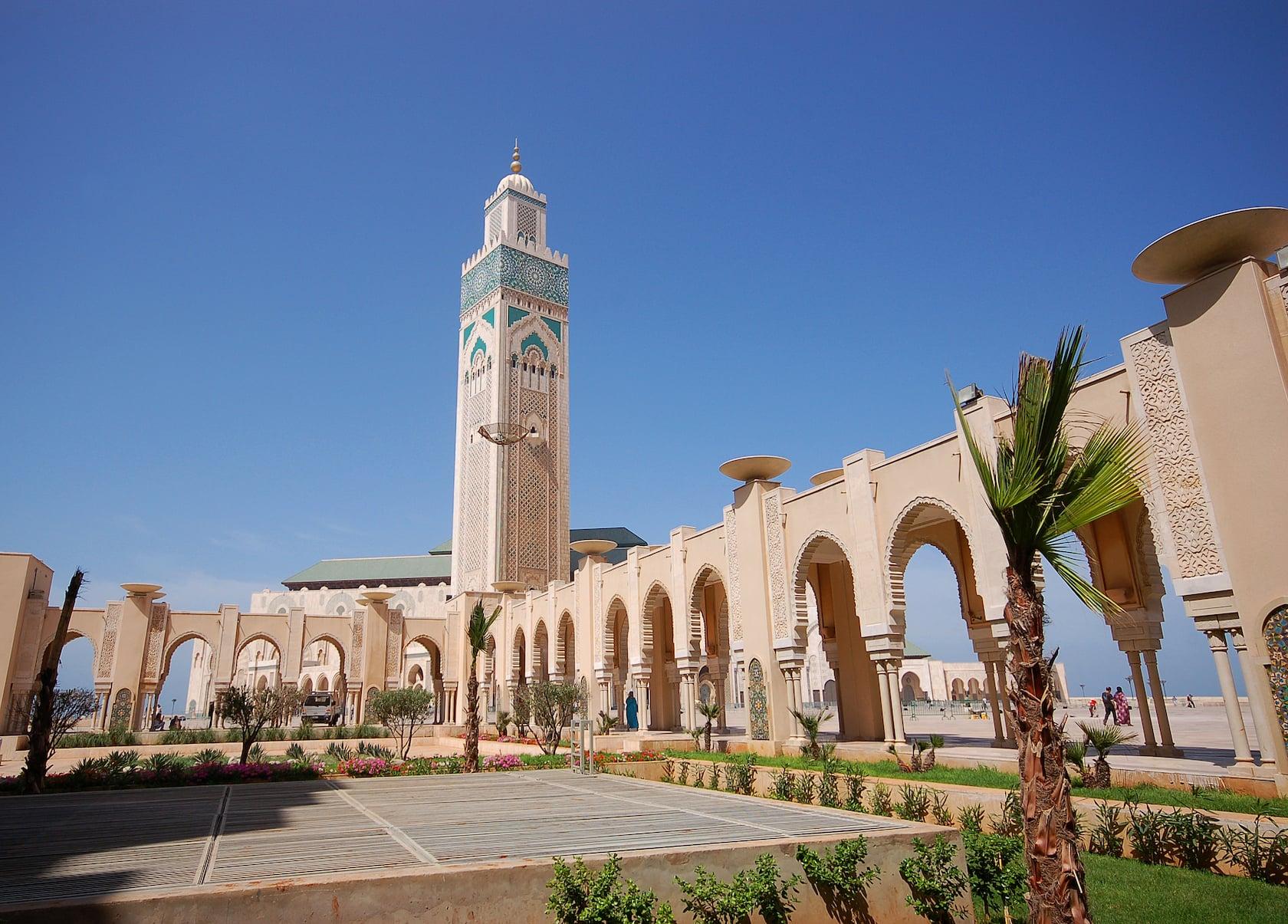
The casablanca to marrakech corridor links Morocco's commercial capital with the imperial Red City, crossing the Rehamna plains along the A7 motorway. Most casablanca to marrakech tours are built around the Jemaa el-Fnaa square, the Koutoubia minaret, the Bahia Palace and the Medina souks, with a licensed driver handling the highway leg in each direction. Travellers looking for Casablanca landmarks before departure often pair the trip with the Hassan II Mosque on the Atlantic corniche.
The A7 motorway that carries traffic between Morocco's largest city and its most-photographed one opened in stages, with the final Casablanca–Marrakech section completed in 2007 — before that, the journey ran on the old national road through Settat and Benguerir, and took the better part of a day. Casablanca is the young city. Until the French Protectorate arrived in 1912, Anfa — its older name — was a modest Atlantic port of perhaps 20,000 people. Marshal Lyautey and the architect Henri Prost redrew it as a laboratory for Mauresque architecture, grafting Moorish arches and zellij tilework onto European art deco frames. The Hassan II Mosque, finished in 1993, carries a 210-metre minaret and stands partly over the water, its floor glassed in places above the Atlantic. Casablanca to marrakech begins, for most travellers, within sight of that minaret. Marrakech is the elder by eight centuries. Founded around 1070 by the Almoravid leader Abu Bakr ibn Umar, it became the capital of an empire that reached from Senegal to Zaragoza. The Almohads who displaced the Almoravids in 1147 built the Koutoubia Mosque, whose 77-metre minaret set the template for the Giralda in Seville and the Hassan Tower in Rabat. The Saadian dynasty added the Badi Palace in the late sixteenth century and the Saadian Tombs, sealed for two hundred years and rediscovered in 1917 by aerial survey. The pisé ramparts — nineteen kilometres of rammed earth, tinted by iron oxide in the local soil — gave the city its epithet, the Red City. Between the two lies the Rehamna plain: phosphate country, cereal country, flat and pale in summer, punctuated by argan and olive. The plain matters historically. It was the corridor along which Almohad armies moved north, along which French rail lines were laid in the 1920s, and along which the phosphate wealth of Khouribga still travels toward the port at Jorf Lasfar. Any casablanca to marrakech tour that pauses on this stretch is crossing a working landscape, not empty ground. The two cities represent Morocco's two answers to the same question. Casablanca chose commerce, concrete and the Atlantic; roughly a fifth of the national population lives in its greater metropolitan area. Marrakech chose continuity, keeping its medina intact enough to earn UNESCO World Heritage listing in 1985, with Jemaa el-Fnaa recognised separately in 2001 for its oral traditions. The route between them is free to travel — 0 MAD, since it is a road, not a site — and it remains one of the few journeys in the country where a traveller crosses six hundred years of urban history in a single morning.
Casablanca chose commerce, concrete and the Atlantic; Marrakech chose continuity.
No dress code applies to the A7 route itself, but travelers making stops in towns along the way, such as Settat or Ben Guerir, should dress modestly and comfortably, since summer temperatures on this Casablanca to Marrakech corridor regularly climb into the mid-30s Celsius.
There is no security checkpoint on the highway itself; toll booths only process payment, not bag checks. Private car and bus operators running Casablanca to Marrakech tours generally allow one suitcase and one carry-on per passenger in the trunk or luggage hold.
Photography from designated rest areas and toll plaza parking is permitted, but stopping on the highway shoulder to take photos is illegal and dangerous. Drone use near toll installations and military zones along the route is restricted.
Children under 12 typically ride free or at reduced fare with grand taxi and private transfer operators on this route, though this varies by operator and should be confirmed at booking. The roughly 3-hour Casablanca to Marrakech drive includes one common rest stop near Settat or Ben Guerir, useful for restroom breaks with young children.
The A7 motorway itself has no pedestrian infrastructure, so accessibility applies mainly to vehicles: private transfer sedans and minivans can accommodate wheelchairs that fold for trunk storage, though wheelchair-accessible vehicles must be requested in advance from the transfer operator. Rest area toilets along the route are basic and not all are wheelchair adapted.
Bringing your own snacks and bottled water into a private car or taxi is permitted, and rest area shops along the A7 sell packaged food and drinks. Consuming alcohol is not permitted in shared taxis or buses, and drivers themselves are prohibited from alcohol consumption before or during the drive.
Route open 24 hours
Route open 24 hours
Route open 24 hours
Route open 24 hours
Slightly heavier midday traffic
Popular day for private transfers
Best departure window: 07:00 – 09:00, avoids highway traffic and midday heat
location
Car · Approx. 2h30–3h · Tolls roughly 70–95 MAD plus fuel
Self-drive via the A7 toll motorway from Casablanca directly to Marrakech, following signage toward Settat and Ben Guerir.
Public transport · Approx. 2h50–3h · MAD 100–210 depending on class
ONCF trains run between the two cities roughly every hour from Casablanca stations toward Marrakech.
Taxi · Approx. 3h · MAD 100–150 per seat, 600–800 MAD for full taxi
Grand taxis depart from designated stands in Casablanca, such as Station Taxi Roudani, for the direct road trip to Marrakech.
Since this is a public highway route rather than a ticketed site, there is no entrance fee (0 MAD) and no cancellation policy applies to using the road itself. Private Casablanca to Marrakech transfer or tour bookings follow the operator's own refund terms, typically full refund up to 24 hours before pickup.
Recommended time
3-3.5 hours door-to-door
Pure driving time on the A7 motorway is roughly 2.5 hours, but door-to-door totals typically run 3 to 3.5 hours once you factor in toll booths, a rest stop, and city traffic exiting Casablanca or entering Marrakech. Add 20-30 minutes if you're leaving from a hotel rather than the airport, since Casablanca's southern suburbs can be slow before you reach open motorway. There's no queue in the usual sense, but toll plazas and Friday afternoon congestion are the closest thing to a bottleneck on this casablanca to marrakech run. Departing within the recommended morning window keeps the whole trip closer to the 3-hour end of that range.
Crowd levels through the day
Weather · crowds · average price — dots go green to amber to red as each metric rises.
March through May brings mild daytime temperatures around 20-25°C along the route, making it one of the most comfortable seasons for a Casablanca to Marrakech drive with clear visibility across the plains.
June through August sees route temperatures frequently exceed 35°C by midday, so an early morning departure between 07:00 and 09:00 is strongly advised to avoid heat and glare on the A7.
September through November offers cooler temperatures and lower haze, similar to spring conditions, and is considered a favorable window for this drive.
December through February brings cooler mornings, occasional fog near Settat, and the lowest highway traffic volumes of the year on this corridor.
Toll booths on the A7 mainly accept cash in MAD, so keep 100-150 MAD in small denominations ready for the Casablanca to Marrakech route.
Petrol stations are spaced every 50-80 km along the A7, but topping off the tank in Casablanca avoids any uncertainty on the road.
Mobile data coverage can dip in open stretches between Settat and Ben Guerir, so downloading offline maps beforehand helps with navigation.
Grand taxi fares for the Casablanca to Marrakech tour are often negotiated, so agree on the price and whether it is a shared or private seat before leaving the taxi stand.
Trains run roughly hourly and can be a comfortable alternative to driving, especially during the hottest summer weeks.
Air conditioning in shared taxis and buses can be strong, so a light layer is useful even in summer.
Rental vehicles with a Jawaz toll tag speed up passage through toll plazas, particularly useful on the Casablanca-Rabat approach corridor.
Southern Casablanca bypass, A7 interchange, Morocco
Common starting point for self-drive and private transfer pickups
Get directionsA7 Marrakech interchange, Marrakech, Morocco
Endpoint for most Casablanca to Marrakech drives before entering the city
Get directionsPerched on a rocky bluff above the Oum Er-Rbia River near Settat, this 18th-century fortress makes a strong stop on any casablanca to marrakech road trip. Shoot the ruined ramparts from the approach track for a full silhouette against the sky, or climb inside for the river bend view through the old gatehouse. The final stretch off the P7 is a rough single-track road, so a car with decent clearance helps.
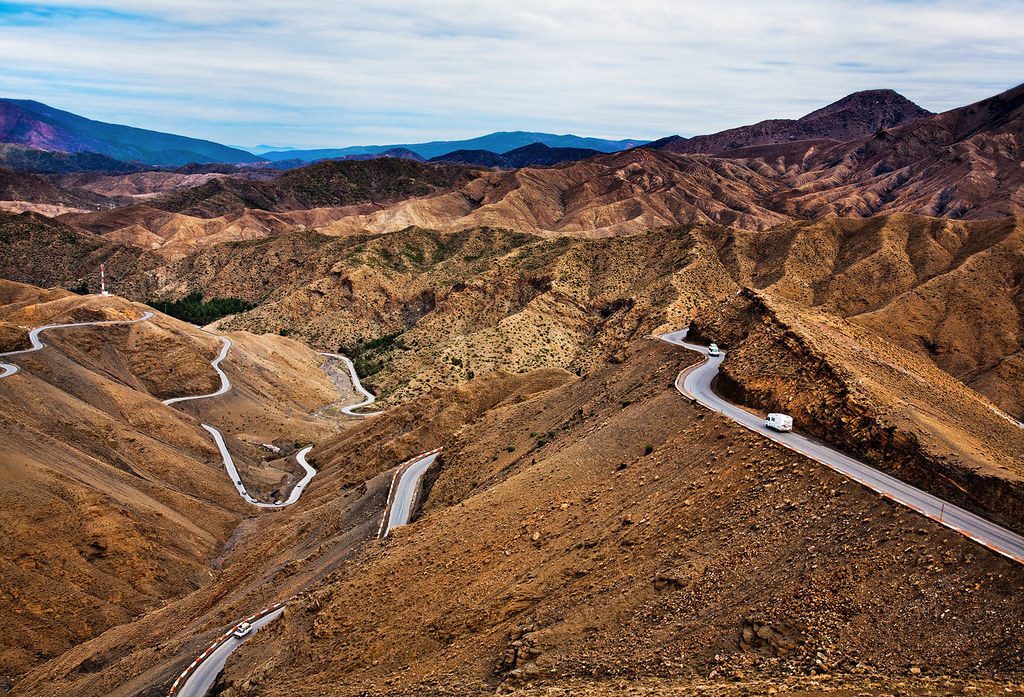
As the highway climbs past the Haouz plain, the flat red farmland gives way suddenly to foothills, and a pull-off along the road offers the first clear panorama of the High Atlas range. Stand at the roadside barrier for a wide shot with layered ridgelines and, on clear days, snow-capped peaks in the distance. It works well as a quick leg-stretch stop rather than a planned destination.
Just before reaching Marrakech, a signed junction leads south toward the Ourika Valley, marking the point where the flat plain begins folding into red foothills. Photograph the junction sign with the mountains rising behind, or continue a short way up the side road for terraced fields and the Ourika River gorge. This is a brief detour, not the full valley drive to Setti Fatma.
Below Kasbah Boulaouane, the river curves sharply through dry, tan-colored terrain, creating a natural frame when shot from the kasbah's upper walls. The green-blue water against the arid landscape is the classic composition locals point out. Access is via the same rough kasbah access road.
There is no restaurant at a single stop on the casablanca to marrakech drive itself, so most people either pack snacks or plan a break in Settat, roughly the route's midpoint, before pushing on to Marrakech.
Serves Moroccan and international dishes in a comfortable sit-down setting; good for a proper lunch break rather than a quick coffee, and rarely full outside weekend midday.
A local favorite for tagine and regional Chaouia dishes at low prices; suits travelers wanting a real meal instead of a highway snack, busiest around 13:00.
Known for breakfast and mint tea with a people-watching terrace; a fair option for an early-departure coffee stop rather than a full meal.
Basic sandwiches, pastries, and coffee at fuel stops between Casablanca and Settat or Settat and Marrakech; fine for a five-minute break, not a sit-down meal.
Since on-route options thin out after Settat, many casablanca to marrakech tours build in the Settat stop deliberately so travelers are not searching for food once they reach Marrakech's medina.
Real experiences from real travelers
We left Casablanca just after sunrise and the light over the plains was worth staying awake for. The casablanca to marrakech drive was flat and easy, and our driver pointed out the Ben Guerir phosphate works and the first Atlas ridge without turning it into a lecture. By the time we reached the Koutoubia the heat had real weight to it.
Booked a private marrakech day trip from casablanca and had zero regrets. The vehicle was cold inside, the roads were in good condition, and the driver spoke enough German to make small talk. Jemaa el-Fnaa at dusk is loud in the best way.
Everything was organised before we arrived, including our casablanca to marrakech tickets, so there was no queuing at any point. The plains between the two cities are emptier than I imagined, mostly olive rows and red soil. Our guide in the medina kept the pace slow which I appreciated in the heat.
The Marrakech excursion is a full day, so go in expecting an early start and a late return. Our driver was patient when we wanted extra time at the Koutoubia, though the return leg felt long after dark. Small note: bring more water than you think.
July is hot and the group clearly knew it, so the medina walking was scheduled before midday. Le trajet Casablanca Marrakech s'est fait sans stress, and the air conditioning held up the whole way. Watching the ramparts turn orange in the late sun was the highlight.
We did this on our first full day and it was the right call for getting oriented. The casablanca to marrakech tours we compared were all similar on price, but this one had the smallest group. The souks near Jemaa el-Fnaa were busy but never felt overwhelming with a guide.
February meant cool mornings and clear views of snow on the High Atlas from the motorway. Our driver stopped once so we could photograph the ridge, which was unplanned and appreciated. Marrakech itself was mild enough to walk all afternoon.
The casablanca to marrakech tour was punctual from the hotel pickup right through to the drop-off. We saw the Hassan II Mosque briefly at the start, then the landscape flattened out for most of the drive. The Bahia Palace courtyards were cooler than expected and a welcome break.
Good vehicle, good driver, though the medina portion felt slightly rushed for my taste. Still, seeing the Koutoubia and the square in one afternoon is a lot for the money. The plains scenery is repetitive, so bring something to read.
Late autumn gave us mild temperatures and thin crowds in the souks. The journey between the two cities passed quickly and the driver kept the pace sensible. Standing under the Koutoubia at sunset with the call to prayer starting is something I still think about.
Everything you need to know for your journey
Yes, the A7 highway route from Casablanca to Marrakech is open 24 hours a day, every day of the week, with no fixed opening or closing time.
There is no entrance fee for the casablanca to marrakech route since it is a public intercity road rather than a ticketed site; the only costs are highway tolls, roughly 70-95 MAD, and fuel or fare.
Departing between 07:00 and 09:00 is recommended for casablanca to marrakech tours, since this avoids both highway traffic and the midday heat that builds up on the open plains around Settat.
Private transfer vehicles for casablanca to marrakech tickets typically allow one suitcase and one carry-on per passenger, while grand taxis and buses may have tighter space depending on group size.
Bringing bottled water and packaged snacks is fine in private cars, taxis, and buses, though alcohol consumption is not permitted for drivers or passengers in shared vehicles.
The route itself has no pedestrian accessibility features, but wheelchair-accessible private transfer vehicles can be arranged in advance for casablanca to marrakech tours.
Light, breathable clothing and sun protection are advisable, since daytime temperatures on the route can exceed 35°C during summer months.
Prohibited items on most casablanca to marrakech tickets include flammable liquids, weapons, illegal substances, and undeclared oversized cargo; check with your specific operator for a full list.
Children under 12 often ride at reduced or no extra cost with transfer operators, and the roughly 3-hour casablanca to marrakech drive typically includes one rest stop suitable for family breaks.
Cancellation terms depend on the private operator, but most casablanca to marrakech tour providers offer a full refund if canceled at least 24 hours before pickup.
Travelers often pair a casablanca to marrakech itinerary with a stop at the Hassan II Mosque before departure and a visit to Jemaa el-Fnaa square upon arrival in Marrakech.
Beyond self-driving, travelers can book ONCF trains, CTM buses, grand taxis, or private transfer services for the casablanca to marrakech journey, each departing from designated stations or stands in Casablanca.
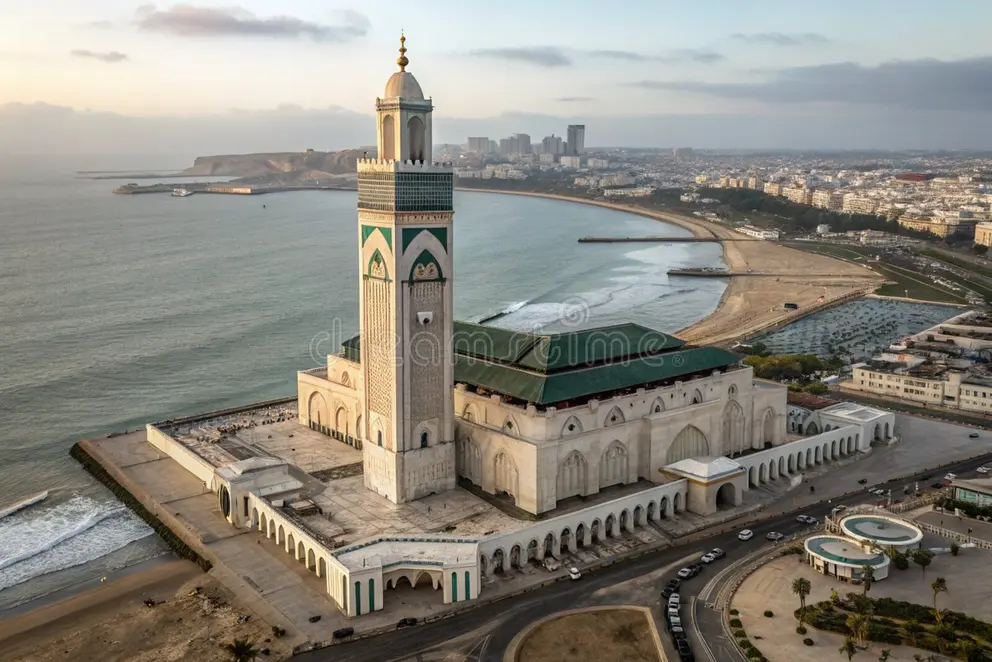
One of the largest mosques in Africa, often visited before departing on the Casablanca to Marrakech road
Former Catholic cathedral turned cultural space, near common Casablanca departure points
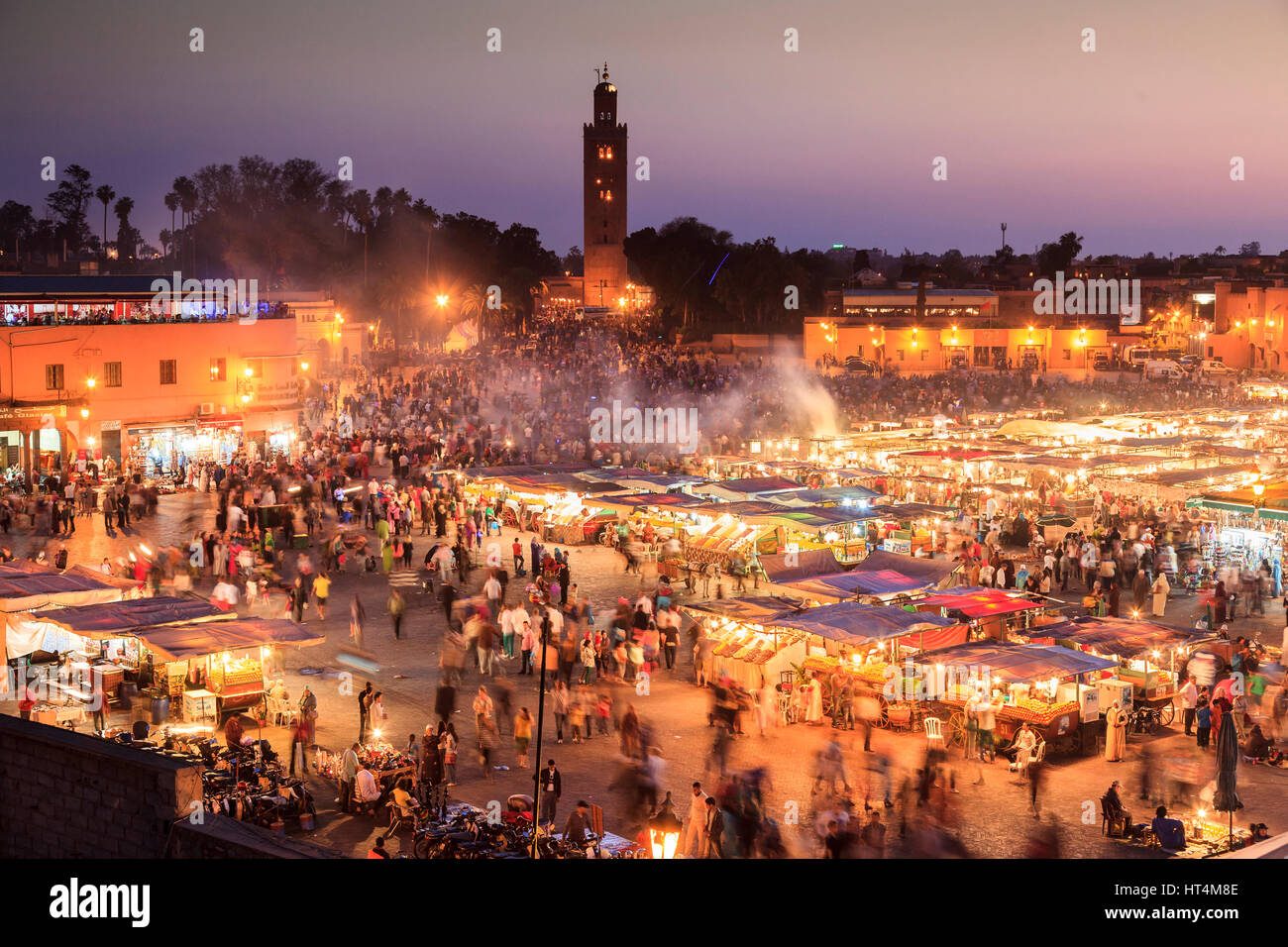
Marrakech's central square and marketplace, the typical arrival point after the drive
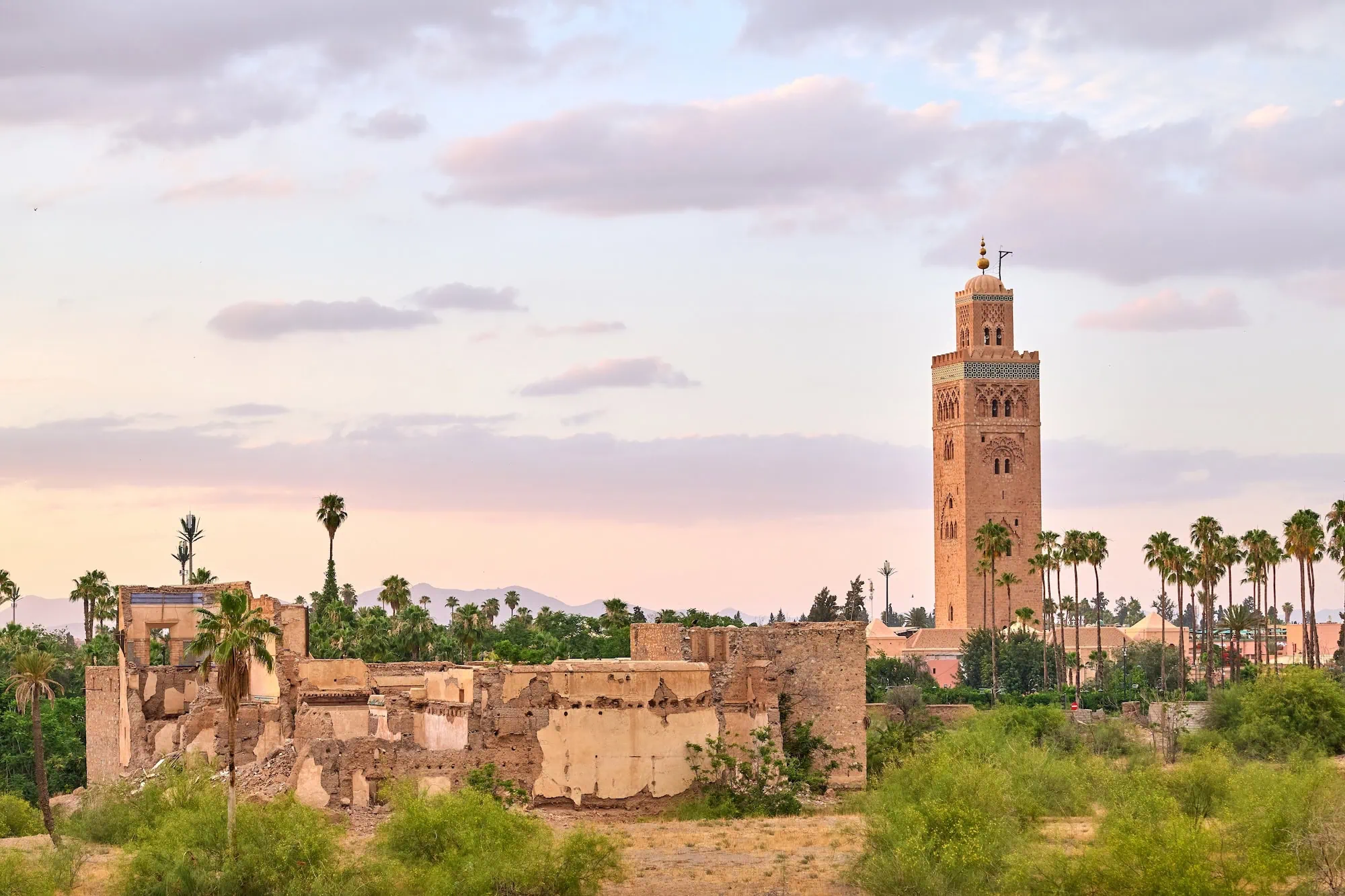
The largest mosque in Marrakech, visible from much of the city upon arrival
Hotels clustered near the Hassan II Mosque and downtown serve as common pickup points for the Casablanca to Marrakech drive
Modern district near the A7 Marrakech entrance with a range of mid-range and boutique hotels
Historic walled city center, popular arrival destination after the road trip, with riads and boutique guesthouses
Join thousands of happy travelers who have discovered this incredible experience
Book Your Experience Now