
English| EUR
Suggested for you
More currencies
Book Now
Open today · 09:00 – 13:00

Casablanca Food Tour

Casablanca Food Tour — Central Market Tastings & Guided Walks

Salt air over the fish counters, mint smoke in the lanes

84K+ travelers chose this
Free Cancellation
Right now: Moderate — summer weekday morning Arrive close to opening for the coolest stalls and thinnest crowds
3-4 hours recommended
1 Languages
Maximum 12 guests
Free Cancellation
Free cancellation Instant confirmation Mobile voucher Verified partner Book now, pay later
Choose your ticket

Ticket options at a glance

Compare fares, pick the fit — all bookings are mobile-voucher and eligible for free cancellation where shown.

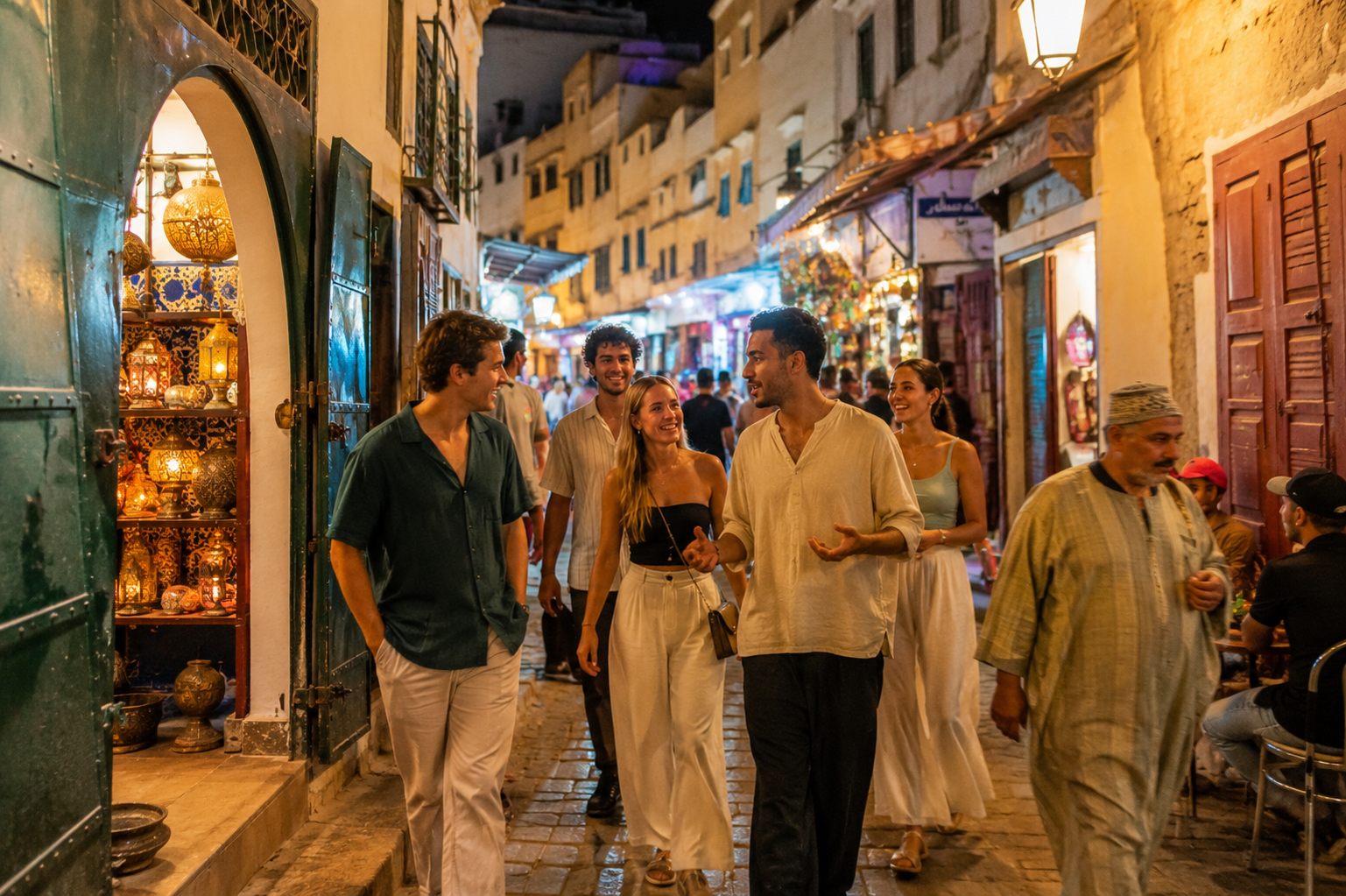
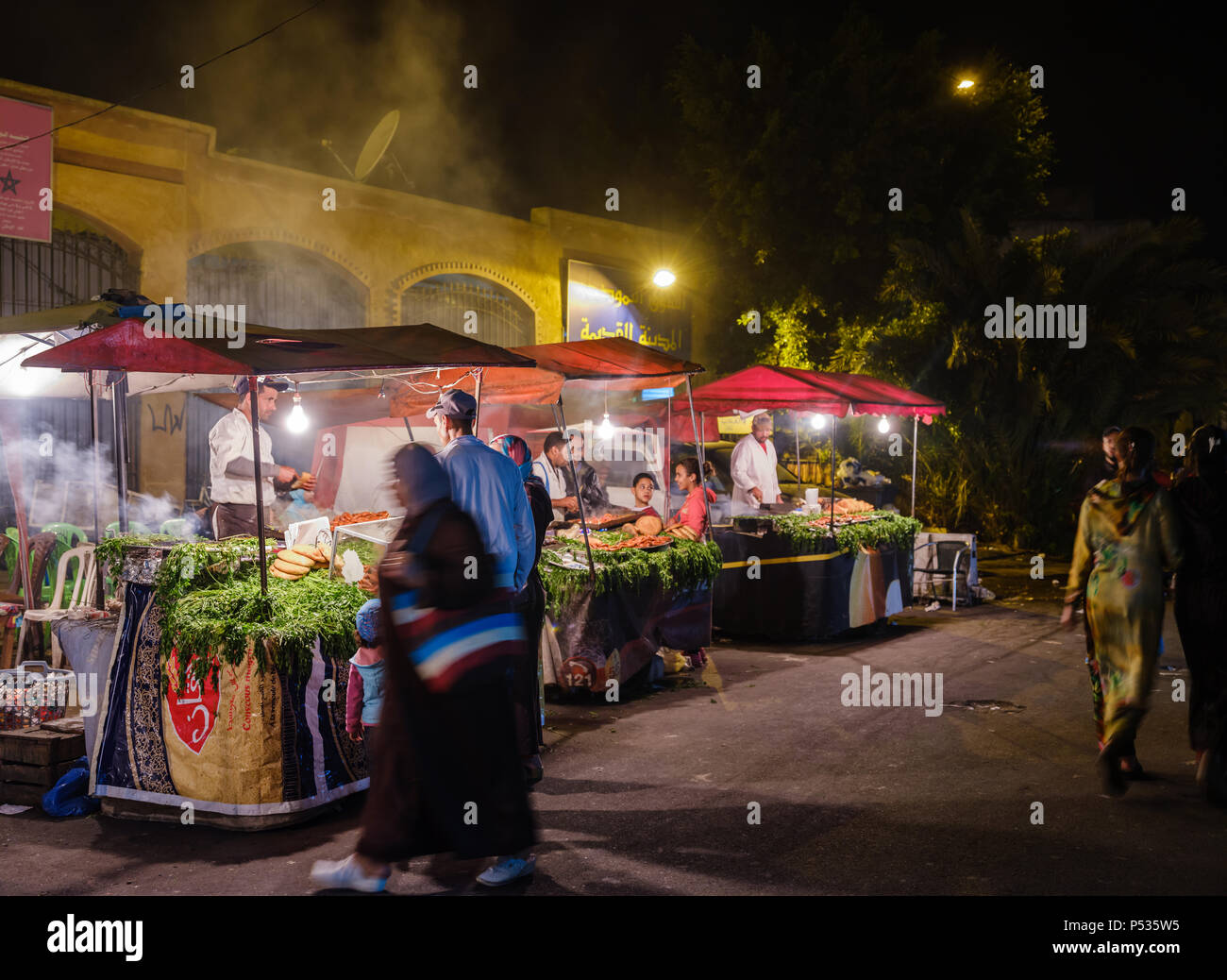
Casablanca Night Tour & Authentic Street Food Tasting 4 hr
Standard Entry

Casablanca Night Tour & Authentic Street Food Tasting

4.7 (32)
€67
  • Entry ticket
  • Mobile voucher
  • Valid same day
  • Free cancellation
Book this ticket
Casablanca Central Market Culinary & Cultural Tour 3 hr 30 min
Standard Entry

Casablanca Central Market Culinary & Cultural Tour

4.4 (17)
€90
  • Entry ticket
  • Mobile voucher
  • Valid same day
  • Free cancellation
Book this ticket
Featured Experiences

Popular tours & activities

Hand-picked experiences loved by thousands of travelers

Recommended Experience

Powered by GetYourGuide

Another traveler favorite

Powered by GetYourGuide
Casablanca Evening Tour with Traditional Moroccan Dinner 4 hours Free Cancellation

Casablanca Evening Tour with Traditional Moroccan Dinner

Experience the charm of Casablanca by night with a guided tour, scenic walks, and a traditional dinner show.

4.5 (316)
FromFrom €53.1
See details
Full-Day Casablanca Cultural Tour from Marrakech 1 day Free Cancellation

Full-Day Casablanca Cultural Tour from Marrakech

Experience Morocco's coastal charm with a guided day trip to Casablanca, featuring the iconic Hassan II Mosque and local markets.

4.8
FromFrom €54
See details
Casablanca Souks: Guided Shopping & Cultural Exploration 3 hours Free Cancellation

Casablanca Souks: Guided Shopping & Cultural Exploration

Master the art of the bazaar with a local expert. Navigate Casablanca’s vibrant markets, enjoy traditional treats, and secure the best deals.

4.4 (36)
FromFrom €35
See details
Your journey

Step-by-step — what your day looks like

1

Meet at Central Market gate

Group gathers at the main entrance on Boulevard Mohammed V before entering

What you'll see

Highlights not to miss

Central Market Main Gateway

The market's entrance features a large green neo-Moorish gate built in 1917 during the French Protectorate, echoing imperial city gates found in Marrakesh and Fez. It marks the transition from the modern boulevard into the historic covered market halls.

Seafood Hall

Rows of ice-packed counters display the day's catch, from sardines to shellfish, brought in fresh from Casablanca's Atlantic port each morning. Vendors here will clean and prepare fish on the spot for same-day cooking.

Spice and Produce Aisles

Sacks of cumin, paprika, and preserved lemons line these stalls alongside seasonal fruit and vegetables sourced from farms around the Casablanca region. The color and scent of the spice mounds make this one of the market's most photographed corners.

Art Deco Facade on Boulevard Mohammed V

The streets surrounding the market are lined with 1920s-30s art deco buildings, a legacy of the urban plan connecting the Medina to the Casa-Voyageurs train station. Architect Pierre Bousquet, who designed the market itself, also shaped several of these nearby structures.

Cooked-to-Order Lunch Counter

A small restaurant adjoining the market prepares whatever seafood guests select at the stalls, often within 30 minutes of purchase. It's a distinctly local practice of buying raw and eating steps away, fully cooked.

Old Medina Passage

Just beyond the market's edge, narrow lanes of the Old Medina open into small bakeries and tea houses that many food tours use as a final dessert stop. The tightly packed alleys date to Casablanca's pre-colonial old town.

The experience

What the visit is really like

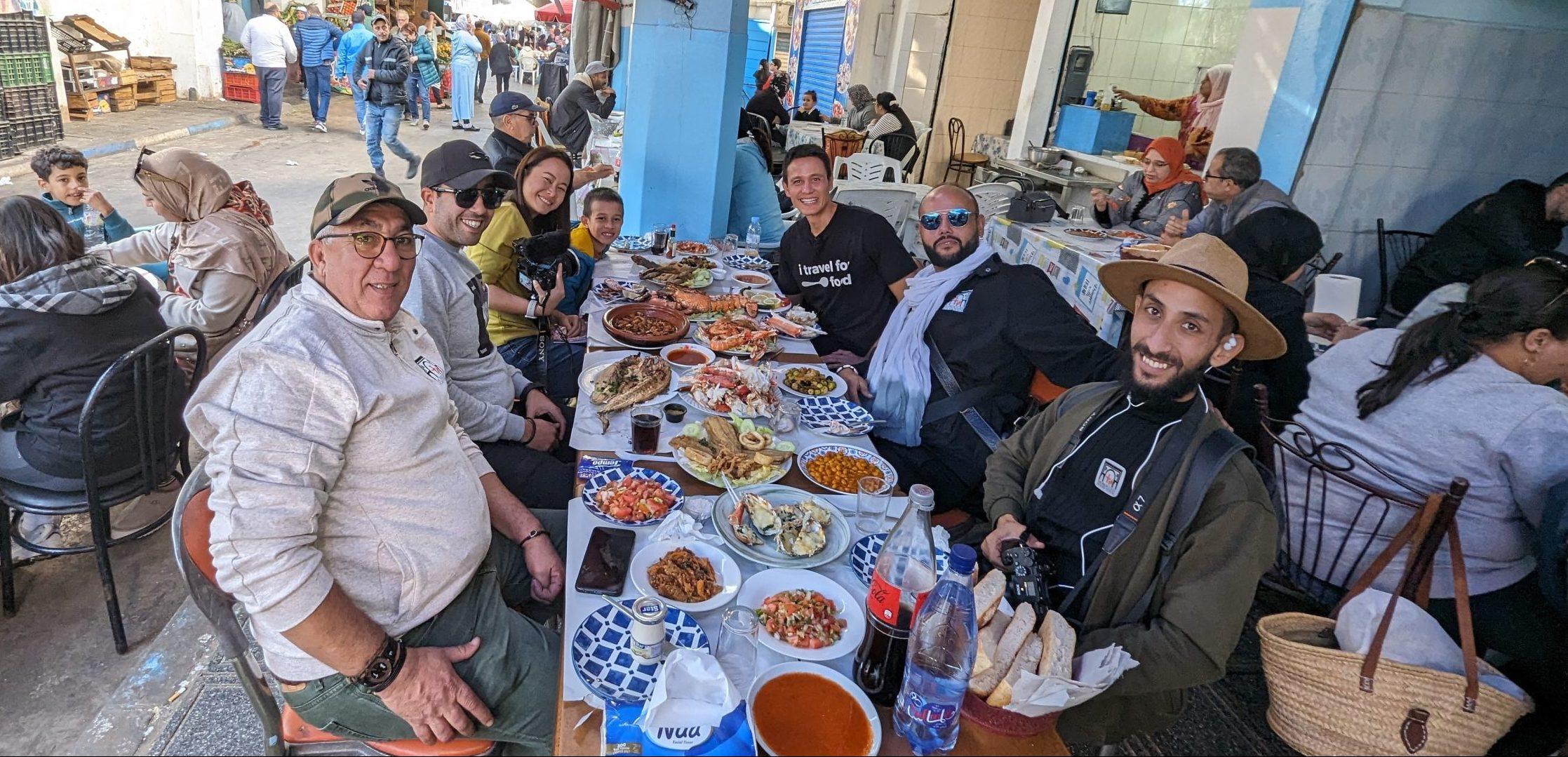
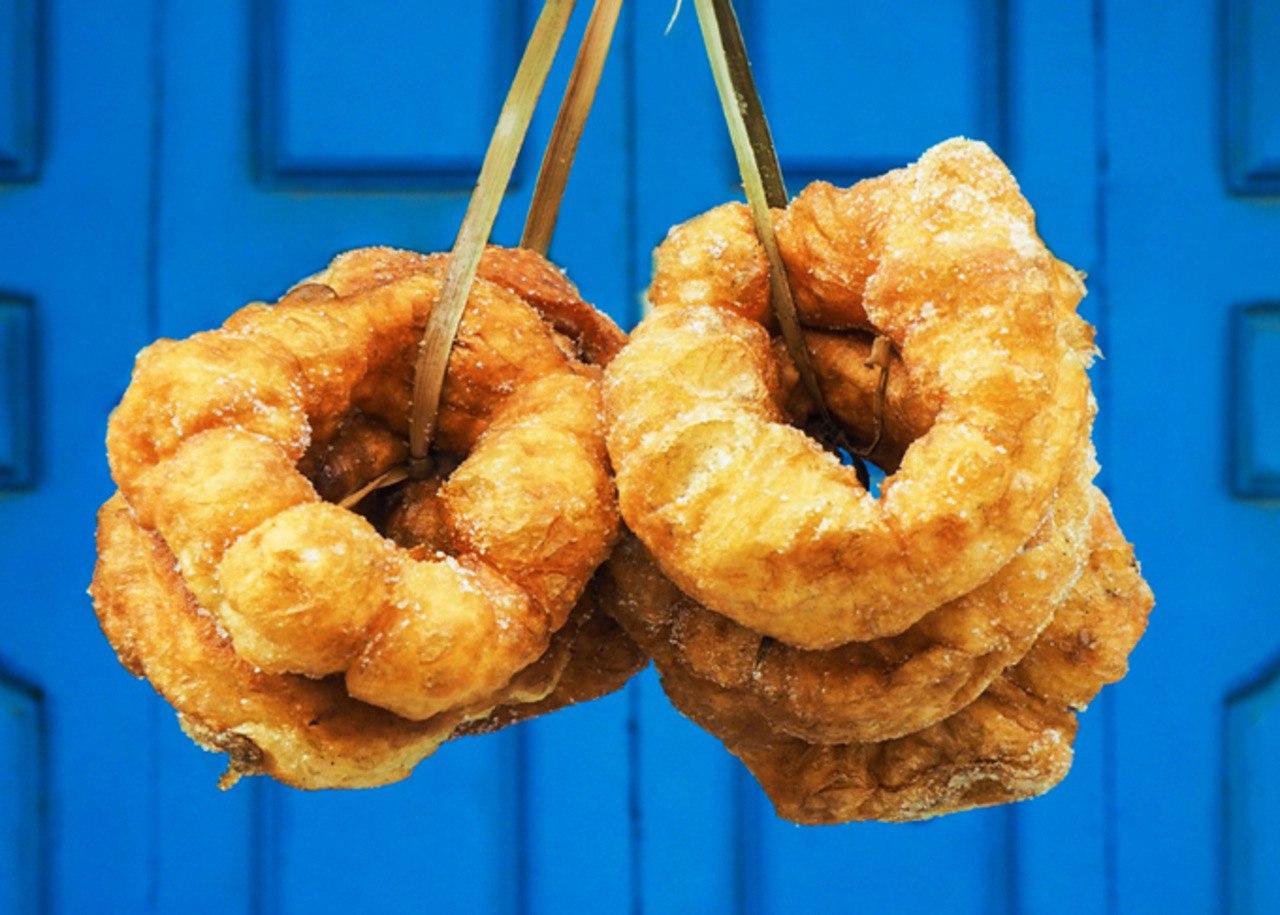
You reach Central Market on Boulevard Mohammed V and pass under the horseshoe arch into a courtyard that is already loud. Aim for the 09:00–10:30 arrival window, when the market is freshest and least crowded. Nothing is charged at the gate — the fee is 0 MAD — so you walk straight in and find your guide by the flower stalls. You start dry. Olives first: cracked green, oil-cured black, purple beldi, each scooped from a metal basin and handed over on waxed paper. You taste four before choosing. Then the spice merchant tips a cone of ras el hanout into your palm and names the components — cardamom, mace, rosebud, long pepper. You smell before you sample. You cross to the fish counters, where the tiling runs wet and the sardines lie in silver rows. You pick two, hand them to a stallholder, and wait while they grill over charcoal in a back corner. Six minutes. You eat them standing, with bread and a wedge of lemon, salt still on your fingers. Outside the hall you follow the guide to a fryer working a vat of sfenj, and you take a ring of dough threaded on a length of palm fibre. Coffee comes next, short and dark, drunk at a counter. By the time you circle back, the traders are packing crates and the hall thins toward its 13:00 close. Casablanca food tour tickets typically end here, on the pavement, with a paper bag of preserved lemons you did not plan to buy.

Everything You Need to Know

Your complete experience guide

All the details about your upcoming adventure in one place

Casablanca Food Tour Through Old Medina Kitchens

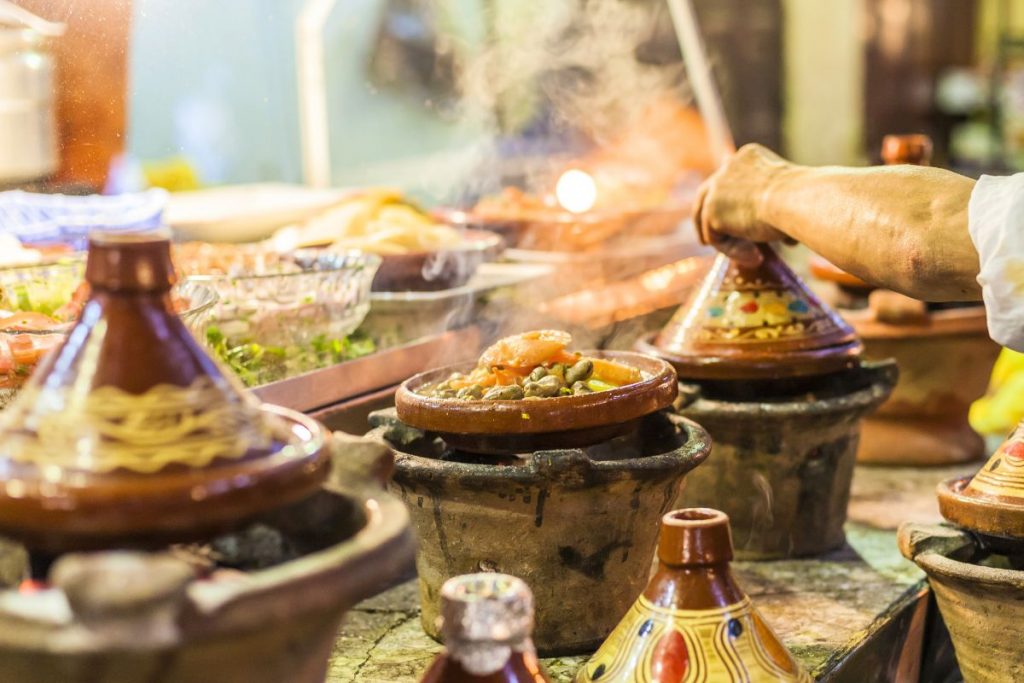
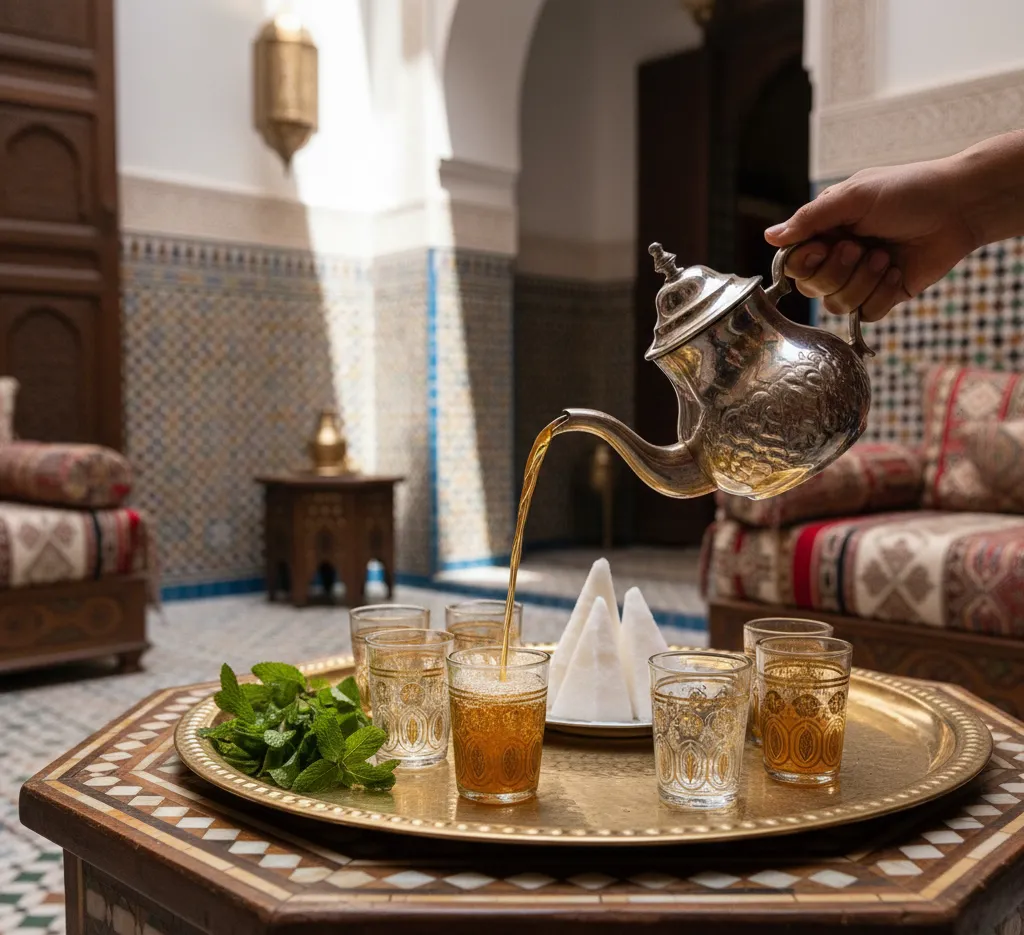
A casablanca food tour walks you through the Old Medina and Habous Quarter, stopping at family-run stalls for msemen, harira, sardine sandwiches and mint tea poured from height. Guides explain the Andalusian and Berber roots behind each dish while you meet bakers using communal wood-fired ferrans that have served the same streets for generations. Casablanca culinary walks and casablanca food tour tickets typically cover all tastings, so you arrive hungry and leave with a working map of the city's spice souks and seafood markets.

The Central Market of Casablanca was built in 1917 as a colonial produce hall, and its horseshoe-arched gateway still frames the same trade nearly 110 years later. A casablanca food tour begins here for a practical reason: the building on Boulevard Mohammed V remains the city's working larder rather than a preserved relic. French planners laid it out under the Prost masterplan; Moroccan merchants filled it and never left. That layering is the point. The architecture rewards attention. The entrance arch borrows Moorish geometry and grafts it onto Art Deco massing, the hybrid style Casablanca produced in enormous quantity between 1912 and 1956. Inside, a rectangular courtyard opens to the sky, ringed by low stalls under tiled roofs. Light falls hard and clean at mid-morning. The wet-fish section occupies the eastern flank, where Atlantic sardines, red mullet and swordfish arrive from the port two kilometres north. Flower sellers hold the western edge. Between them run spice merchants with open sacks of ras el hanout, preserved lemons, argan oil, and cones of dried rosebuds. What matters today is not heritage status but continuity of supply. Casablanca is Morocco's commercial capital, a city of roughly 3.7 million people, and its cooking is coastal rather than imperial. Fes has its refinement, Marrakech its theatre; the Casablancan table runs on grilled fish, harira, msemen, bocadillos borrowed from Spanish neighbours, and coffee taken standing. Guided casablanca food tour tours read the market as a text: which stall supplies which restaurant, why the sardine is priced by the crate, how the Habous quarter's bakeries differ from those in Maarif. Operators typically extend the walk beyond the hall into surrounding streets, where the sfenj fryers and olive vendors work. The market carries no gate fee — the entrance cost is 0 MAD, with the tour itself booked separately per operator — which keeps it genuinely public. Doors open at 09:00 and the hall winds down at 13:00, six days a week. Sunday is closed. That short window shapes everything: the produce is turned over in a single morning, and the merchants who supply the city's kitchens do their business before noon. Casablanca's culinary identity has been shaped by Andalusian exile, Berber inland trade, French administration and Atlantic fishing, and the market compresses all four into a few hundred square metres. Visitors weighing a casablanca food tour tour against a general city walk should understand the difference in register: one is architectural sightseeing, the other is provisioning observed at close range. The address is fixed, the hours are narrow, and the goods change daily. Among Casablanca landmarks, few reward repeat visits so directly.

Casablanca's cooking is coastal rather than imperial — the market is where that distinction becomes legible.

Dress code

Casual, modest clothing works best for a casablanca food tour through Central Market: shoulders and knees loosely covered is respectful in this working-class commercial district. Closed, comfortable shoes are recommended since aisles can be wet from ice and fish handling.

Bags & security

There is no formal security screening at Central Market's entrance gates, unlike ticketed monuments in the city. Keep bags zipped and worn in front in the busiest seafood and produce aisles, since pickpocketing has been reported in crowded sections.

Photography

Photography of the market's neo-Moorish gateway and stalls is generally permitted, but always ask individual vendors before photographing them or their goods up close. Flash photography inside the covered halls can be disruptive to vendors during peak trading hours.

Families & strollers

Children are welcome on a casablanca food tour, though strollers can be difficult to maneuver in the busiest aisles. Most operators can adjust tasting stops for younger palates on request.

Accessibility

Central Market's main aisles are flat and paved, though some sections narrow near the fish counters and can be slippery. There are no dedicated wheelchair ramps at every entrance, so travelers with mobility devices should enter via the main gate on Boulevard Mohammed V.

Food & drink

Outside food and drink are not typically restricted inside the market halls, but tour operators ask that guests save their appetite for included tastings. Alcohol is not sold or consumed on site, in keeping with the market's local vendor stalls.

Not allowed

× Large suitcases × Drones × Alcohol for consumption on site × Open flames × Skateboards or scooters × Loud speakers × Weapons of any kind × Illegal substances × Unaccompanied pets × Large tripods blocking aisles × Glass containers × Flammable liquids

What to bring

✓ Comfortable closed shoes ✓ Light jacket or scarf ✓ Small cash amount in MAD ✓ Reusable water bottle ✓ Sunglasses ✓ Hand sanitizer ✓ Camera or phone

Opening hours

Mon 09:00 – 13:00

Market freshest early

Tue 09:00 – 13:00
Wed 09:00 – 13:00
Thu 09:00 – 13:00
Fri 09:00 – 13:00

Busier before midday prayer

Sat 09:00 – 13:00

Local shoppers peak

Sun Closed

Closures & exceptions

  • ·Every Sunday — Weekly closure
  • ·Jan 1 — New Year's Day
  • ·Eid al-Fitr — Islamic holiday, date varies
  • ·Eid al-Adha — Islamic holiday, date varies

At a glance

Best hours

09:00–13:00, seven days a week per canonical schedule below;location

Getting there

Public transport · 10–20 minutes from downtown stops · Around 6–7 MAD per tram ticket;Walk

Casablanca Tramway Line 1 stops directly in front of Central Market's main entrance on Boulevard Mohammed V.

Cancellation policy

Most operators running a Casablanca food tour allow free cancellation up to 24 hours before the scheduled start for a full refund. There is no entrance fee for the market itself (0 MAD), since tour cost is booked and paid separately per operator.

Plan your time

How long do you need?

Recommended time

3-3.5 hours

Most operators run their casablanca food tour across roughly 3 to 3.5 hours, covering the seafood counters, a stroll through the surrounding stalls, and a cooked-to-order lunch nearby. Because the market's daily window closes at 13:00, a tour that starts at 09:00 finishes right as vendors begin winding down, so anything later gets squeezed. Add 20-30 minutes if lunch runs long or a stall visit turns into extended bargaining; subtract time only by skipping the sit-down meal. Queues are rare early on but tastings can bottleneck around the busiest fish counters mid-morning, so guides often double back to quieter stalls first.

Crowd levels through the day

Opening rush Light
Mid-morning peak Heavy
Late morning Moderate
Approaching close Light
Plan ahead

When to go — year at a glance

Weather · crowds · average price — dots go green to amber to red as each metric rises.

Winter (Dec–Feb)

Mild temperatures around 12–18°C make morning market walks comfortable; fewer international tourists mean thinner crowds.

Insider tips

Helpful tips for your visit

Arrive near opening

Coming close to 09:00 means cooler indoor air and first pick of the freshest catch before midday heat builds.;Bring small bills

Where to meet

Meeting points

Central Market main gate

Boulevard Mohammed V, Casablanca, Morocco

Green neo-Moorish gateway entrance is the standard meeting spot

Get directions
The story

The history behind the site

The Marché Central rose on ground that had already served commerce. Between 1917 and 1919, the architect Pierre Bousquet raised the halls on the former grounds of the Casablanca Fair, an exhibition site cleared for permanent use. The timing was deliberate. Under the French Protectorate declared in 1912, Casablanca was expanding at speed, and General Hubert Lyautey's planners wanted a provisioning hall to anchor the new ville nouvelle. Bousquet answered with a hybrid. A Neo-Mauresque gateway, horseshoe-arched and tiled, opens onto interior galleries framed in iron and glass — European market engineering dressed in Moroccan ornament. Any casablanca food tour that begins here begins inside that argument between two architectural languages. The market's location on Boulevard Mohammed V, then Boulevard de la Gare, placed it at the commercial spine of the colonial city. Fish came up from the Atlantic quays. Produce arrived from the Chaouia plain. Merchants, French and Moroccan alike, traded beneath the same roof, which made the halls a rare point of genuine mixing in a segregated urban plan. That proximity carried risk. On 24 December 1953, a bomb was detonated at the Central Market, killing and wounding shoppers during the Christmas Eve trade. The attack fell within the wider independence struggle that followed Sultan Mohammed V's deposition and exile in August 1953, and it marked the halls permanently in the city's memory. Independence came in 1956. What survives is remarkable for its continuity. The gateway stands. The galleries still hold flower sellers, fishmongers, olive vendors and spice stalls in roughly their historic arrangement, and the building continues to trade rather than perform. Casablanca landmarks of the same period have been demolished or hollowed into offices; this one did not. That is why a Casablanca market tour uses the halls as a living stage instead of a monument. Operators run their casablanca food tour tours through working aisles at working hours, and a casablanca food tour tour costs nothing at the door — casablanca food tour tickets are arranged with the guide, since the market itself charges no entry.

1912

The French Protectorate is declared, and Casablanca begins its rapid expansion under Lyautey's planners.

1917–1919

Architect Pierre Bousquet builds the Marché Central on the former Casablanca Fair grounds.

1920s–30s

The halls become the provisioning heart of the ville nouvelle, drawing Atlantic fish and Chaouia produce.

Aug 1953

Sultan Mohammed V is deposed and exiled, intensifying the independence struggle across the city.

24 Dec 1953

A bomb is detonated in the Central Market on Christmas Eve, killing and wounding shoppers.

1956

Morocco gains independence and the market continues trading through the transition.

2026

The Neo-Mauresque gateway and iron-and-glass galleries still house working flower, fish and spice stalls.

Photo spots

Best photo spots

Neo-Mauresque Main Gateway

Best light · Before 09:00, soft morning light on the tilework

The grand arched entrance on Boulevard Mohammed V, trimmed with colorful zellige tiles and geometric patterns, is the classic first frame of any casablanca food tour and the spot every visitor photographs before stepping inside.

Octagonal Central Cupola

Best light · Mid-morning, light filters through the cupola glass

Stand beneath the market's central octagonal cupola and shoot straight up, or frame stalls radiating outward from this hub, where the covered aisles converge beneath the iron structure.

Iron-and-Glass Gallery Aisles

Best light · 09:00-10:30, before crowds fill the walkway

Walk the long covered corridors where iron trusses and glass panels arch overhead, casting striped light onto the tiled floor; shoot down the aisle centerline for a symmetrical corridor shot.

Zellige-Tiled Walkway Corners

Best light · Golden hour near closing

The junctions where tiled arcades meet, framed by cement mashrabiya screens, give a classic Moorish-charm angle with patterned floors and shaded archways.

Circular Seafood Section

Best light · Just after opening, freshest displays

The round seafood hall where vendors arrange fresh Dakhla oysters, shark meat, and Atlantic fish on ice is the market's most photogenic stall cluster, best shot from the outer ring looking toward the center.

Produce and Spice Stalls Row

Best light · Early morning before restock ends

A colorful line of fruit, vegetable, and spice vendors near the entrance offers a dense wall of color and texture, best captured at a low angle along the stall counters.

Gallery

Moments from the experience

With kids

Visiting with kids

A casablanca food tour through Central Market means narrow aisles, wet stone floors near the fish stalls, and a lot of stopping and starting, which suits curious kids but tests toddlers fast.

Strollers

The market itself is stroller accessible, though aisles narrow near the fish counters and floors can be wet; a compact umbrella stroller handles it better than a full-size pram, since surrounding streets have curbs and uneven pavement.

Best ages

School-age kids who'll actually taste unfamiliar food get the most from this Casablanca market tour; toddlers tend to tire quickly during the multi-stop walk, and most operators require an adult with any child throughout.

Facilities

Public restrooms and baby-change stations are not guaranteed inside the market; guides can point you toward a nearby cafe on request, so plan bathroom breaks around tasting stops rather than waiting until mid-walk.

Pacing

Build in slack: tastings, vendor chats, and photo pauses stretch a 2-hour walk toward 3 to 3.5 hours total, so treat the seafood lunch stop as a reset point where kids can sit and recharge before continuing.

Food with kids

Offer small bites first at each stall rather than a full portion, since palates vary and some tastings (oysters, spiced olives) are easier for adults; bakery and juice stops tend to be the easy wins for younger eaters.

Rainy-day plan

Covered market sections stay usable in light rain, but nearby art-deco streets get slippery, so keep the outdoor walking segments short and prioritize the indoor market and lunch venue if weather turns.

Food & drink

Where to eat nearby

Most of a casablanca food tour happens on-site: you shop the fish stalls yourself and pay a stall to cook your pick, rather than sitting down at a single restaurant. A short walk brings you to Chaounia street eateries or, further out, the tea-garden finish at La Sqala.

Central Market Fish Stalls

€ (30–100 MAD/dish)

Seafood stalls inside

Pick sole, sardines, shrimp, or oysters straight from the ice and a nearby stall grills or fries it to order with bread, salad, and lentils; busiest just after opening, so this suits the market's freshest early hour. This cook-to-order routine is the heart of most casablanca food tour tours.

Chez Zohra

Stall — inside market

A favored corner stall for grilled or fried catch away from the touts near the entrance; good for a quick, no-fuss seated bite between browsing the produce and spice aisles.

Chaounia Street Eateries

Street food — 2 min walk

Casual grills and sandwich counters just outside the market hall, useful if the fish stalls are packed or you want something faster than a full seafood plate.

La Sqala

€€

Tea house / garden restaurant — 15 min walk or short taxi

A walled 18th-century garden café known for mint tea, pastries, and a breakfast plate of msemen; the natural dessert or tea stop after the market, and calmer than the stalls at midday.

Customer Reviews

What travelers say

Real experiences from real travelers

4.7
Based on undefined reviews
1 ★ 271
2 ★ 198
3 ★ 640
4 ★ 2310
5 ★ 11840
M
Marta L.
Spain · 2026-06-14

Sardines at the market

We started at Marché Central around six and the light through the arcade was worth the trip on its own. Our guide had the grilled sardines ready before we sat down, and the msemen with amlou afterwards was the thing I still think about. Wear shoes you can walk cobblestones in.

D
Daniel R.
United States · 2026-05-02

Far more than eating

The casablanca food tour took us into a ferran bakery where the whole neighborhood brings their bread, which I never would have found alone. Our guide Youssef explained the difference between khobz and batbout while we watched the oven. Good value for how much food arrives.

Y
Yuki T.
Japan · 2026-04-19

Bring an appetite

Nine stops is a lot and I could not finish the last two. The bissara with cumin and olive oil early in the morning was excellent, and the snail broth was more interesting than I expected. My only note is that the pace felt slightly rushed between the medina stops.

S
Sophie B.
France · 2026-07-08

La visite gourmande à Casablanca

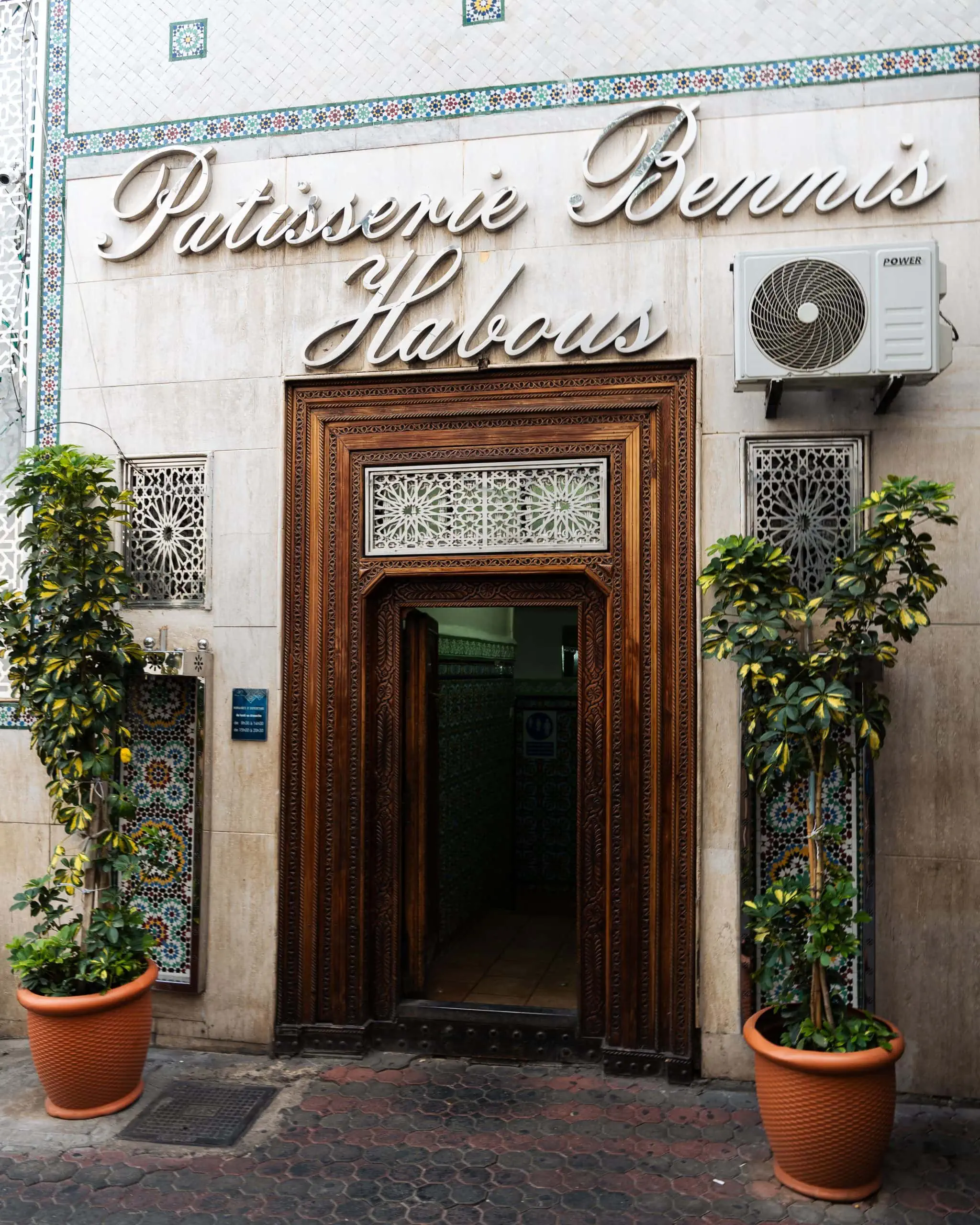
Nous avons fait la gastronomic tour of casablanca en fin de journée et la chaleur était supportable grâce à la brise atlantique. Le thé à la menthe versé de haut, les chebakia, les cornes de gazelle dans le quartier Habous — tout était authentique. Guide très attentif aux allergies.

T
Thomas K.
Germany · 2026-03-11

Old Medina done right

Walking the lanes near the port with someone who knows the vendors changes everything. We tried prickly pears peeled on the cart, harira, and a chicken tagine with preserved lemon that was cooked in a clay pot rather than a pan. Booking casablanca food tour tickets in advance meant we skipped the queue at the busiest stall.

A
Ana P.
Brazil · 2026-02-23

Mint tea and rooftops

The final stop was a rooftop in Habous where you can see the minaret of Hassan II Mosque catching the last of the sun. Sweet pastries, more tea than I could drink, and a long conversation about Moroccan spice blends. Small group of eight, which felt right.

L
Liam O.
Ireland · 2026-06-30

Better than a restaurant week

I have done casablanca food tour tours in a few cities and this one had the best ratio of talking to eating. Ras el hanout explained properly, olives sorted by cure, and a stop for freshly pressed orange juice when the afternoon got hot. The guide adjusted the route when one stall was closed.

E
Elena M.
Italy · 2026-05-26

Atlantic city, Atlantic food

Grilled fish straight off the ice at the central market, then bread and olive oil in a courtyard with zellige tiles on every wall. The casablanca food tour tour ran about three and a half hours and we covered a lot of ground on foot. Ask about the argan oil if you like nutty things.

P
Peter H.
United Kingdom · 2026-01-17

Solid winter option

Went in January and the weather was mild enough to walk comfortably, though a light jacket helped near the water. Highlights were the harira and a very good sfenj eaten standing up outside the shop. Slightly fewer stalls open than I imagine there are in summer.

N
Nadia S.
Netherlands · 2025-11-09

Real neighbourhood stops

Most of the tasting happened in places without an English menu, which is exactly what I wanted. Our guide handled the ordering and translated the vendors' explanations of how each dish is cooked. Among Casablanca landmarks the mosque gets the attention, but the markets are where the city actually lives.

FAQ

Frequently asked questions

Everything you need to know for your journey

Around the corner

Nearby landmarks worth a detour

Place des Nations Unies

5 minutes

square

A central civic square lined with art deco buildings from Casablanca's colonial-era urban planning. It sits a short walk from the market along Boulevard Mohammed V.

Where to stay

Where to stay nearby

Hyatt Regency Casablanca

10 minutes

luxury

A high-rise hotel overlooking Place des Nations Unies with direct access to the city center's tram line.

Ready for Adventure?

Join thousands of happy travelers who have discovered this incredible experience

Book Your Experience Now